What Is a Role Player in Basketball? A Clear Explanation


A role player in basketball is a specialist who focuses on one or two specific skills — such as outside shooting, perimeter defense, or rebounding — to support the team’s star players rather than carrying the scoring load themselves. Their value comes from doing a defined job consistently, not from putting up the biggest numbers.
What Is a Role Player in Basketball?
The term gets used loosely, which causes real confusion. People assume “role player” means “bench player” or simply “not very good.” Neither is accurate. A role player is defined entirely by function, not by roster status, minutes, or fame.
Role players are the specialists who make a star’s job easier. They stretch the floor, protect the rim, lock down opposing scorers, and crash the boards — night after night, without needing the spotlight.
Do Role Players Start or Come Off the Bench?
This is where most of the confusion starts. Many role players do come off the bench, entering the game when their specific skill is needed. But coming off the bench is not part of the definition.
A starter with one standout skill — a great perimeter defender or a steady ball-handler — is still a role player. The label describes the function, not the starting spot.
In practice, you’ll find both. Some role players log heavy starter minutes. Others play in short, targeted bursts. What ties them together: they aren’t the primary offensive engine. They support it.
Role Player vs. Star vs. Bench Player
These three terms get blurred constantly. Here’s the clear breakdown:
- Star: High usage, high scoring, the ball runs through them.
- Role player: Fills defined gaps around the star; makes their job easier.
- Bench player: Anyone outside the starting five — which is a roster position, not a skill classification.
Not every bench player is a role player. A role player brings a defined, reliable skill every night. A bench player might simply be depth. The overlap is real, but the terms aren’t interchangeable.
Common Types of Role Players in Basketball
Most role players are defined by the single skill they bring to the floor. Coaches slot players into these buckets based on what they do best. Here are the types you’ll hear named most often.
Three-Point Specialist
A player whose primary contribution is scoring from beyond the arc. Their presence stretches the defense — defenders can’t sag off to clog the paint. Usually a guard or wing, though stretch forwards and even stretch centers exist in today’s game.
Defensive Specialist
Sometimes called a lockdown defender. This player’s job is to pressure the opponent’s best scorer. Good footwork, sharp closeouts, and quick hands are the hallmarks. Scoring isn’t the priority — stopping it is.
3-and-D Player
One of the most-used terms in the modern NBA. According to Wikipedia, the 3-and-D player has become increasingly important as the game shifts toward perimeter-oriented play — a player who can both hit threes and defend effectively fills two roster needs at once. These players are typically wings with enough length and conditioning to guard multiple positions.
Rebounding Specialist
Focused on controlling the glass on both ends. Strength, timing, and positioning matter far more than flash. Almost always a power forward or center, since they operate closest to the basket.
Rim Protector
Built around blocking or altering shots near the basket. Usually the center, though any tall, long player can fill the role. Worth noting: altered shots often matter as much as blocks — a driver who second-guesses a layup because a shot-blocker is waiting has already lost the advantage.
Sixth Man
The first player off the bench. According to Wikipedia, the sixth man often plays minutes equal to or exceeding some starters and is usually talented enough to start for most other teams — coaches hold them back specifically so the team doesn’t lose much quality when a starter rests. It’s one of the most important spots on any roster.
Role Player Types at a Glance
| Role Type | Primary Skill | Typical Position(s) | On-Court Job |
| Three-point specialist | Outside shooting | Guard / wing | Stretch the defense, knock down threes |
| Defensive specialist | On-ball defense | Guard / wing | Shut down the opponent’s top scorer |
| 3-and-D player | Shooting + defense | Wing | Hit threes and defend at a high level |
| Rebounding specialist | Rebounding | Power forward / center | Win the boards on both ends |
| Rim protector | Shot blocking | Center | Block or alter shots near the basket |
| Sixth man | All-around scoring | Any | Lead the bench unit, score off the bench |
What Makes a Good Role Player?
Skill type aside, certain habits show up again and again in the players coaches trust most.
Low-mistake execution is the baseline. Good role players don’t hurt the team with careless turnovers or breakdowns in their defensive assignment. They hustle, chase loose balls, and grab the rebound nobody else wants.
Beyond that, the players who last tend to accept their defined role, stay engaged even while sitting on the bench, and maintain a steady attitude about playing time. Coaches at every level of the game — from high school through the NBA — consistently say they can’t win much with only five good players. Reliable contributors in supporting roles matter enormously, and the ones who embrace that reality stick around for years.
Conclusion
A role player in basketball is defined by a specialized, team-first skill rather than by fame or starting status. They can start or come off the bench, they come in several recognized types, and coaches value them above all for reliability — doing one job well, every single night.
Frequently Asked Questions
Can a role player be a starter?
Yes. A starter with one standout skill — a strong defender or a steady point guard, for instance — is still a role player. The term describes their function on the team, not whether they open the game on the floor.
Is a sixth man a role player?
Yes. The sixth man is a recognized and important type of role player. They’re the first player off the bench and are often just as skilled as a starter, used to preserve talent when starters rest.
What’s the difference between a role player and a bench player?
A bench player is anyone outside the starting five. A role player has a defined, useful skill they contribute consistently. They overlap often, but not every bench player qualifies as a true role player.
What is a 3-and-D player?
A 3-and-D player combines three-point shooting with high-level perimeter defense — typically a wing. They’re highly valued in today’s game because they fill two roster needs in a single spot.
Do you need role players to win?
The broadly shared view in basketball, at every level, is yes. Teams generally can’t win consistently with only a handful of standout players — reliable specialists in supporting roles are essential to sustained success.

James Carter
ContributorMore from Basketball
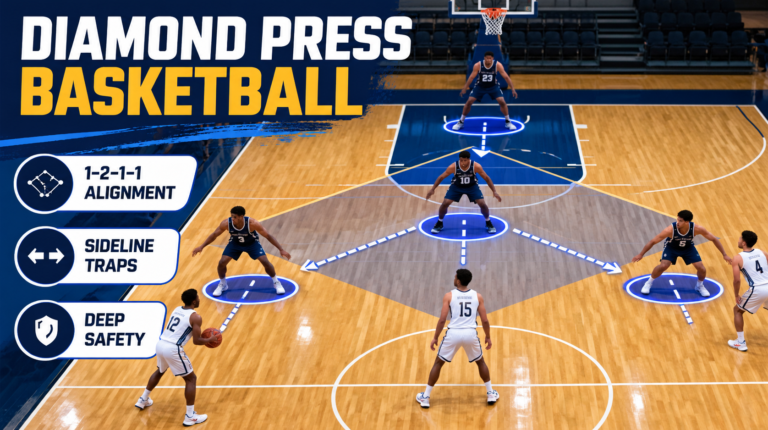
Diamond Press Basketball: How the 1-2-1-1 Press Works
Diamond press basketball is a full-court defensive strategy that uses a 1-2-1-1 alignment to pressure the inbound pass, trap the…
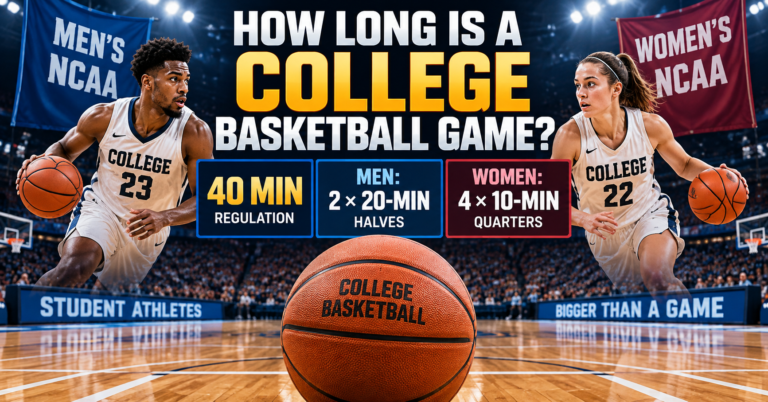
How Long Is a College Basketball Game? (2025-26 NCAA Rules)
How long is a college basketball game? Under 2025-26 NCAA rules, regulation remains 40 minutes: men play two 20-minute halves,…

When Is Basketball Season? NBA, College, High School & WNBA Dates
Basketball season usually runs from October or November through March or April, but the exact months depend on the league.…